 Status












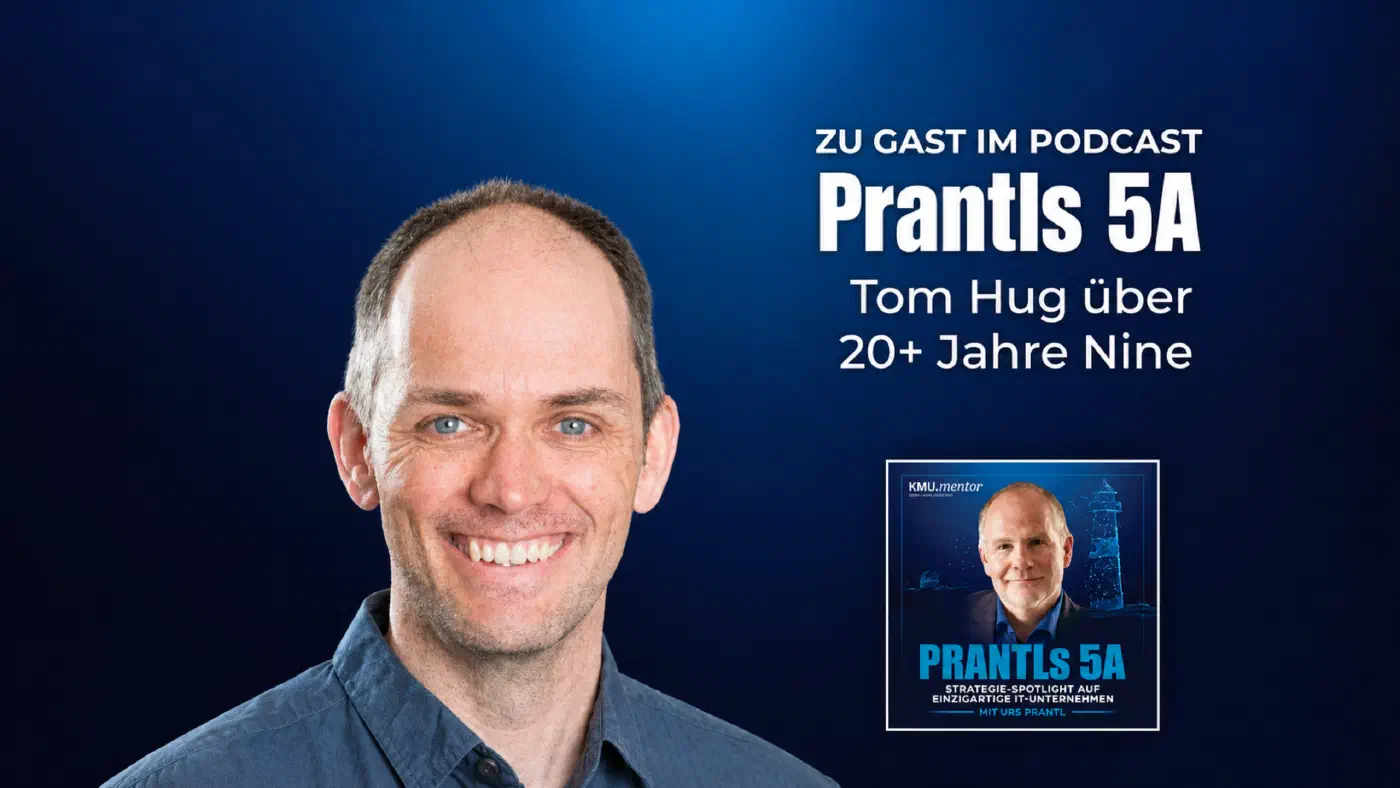



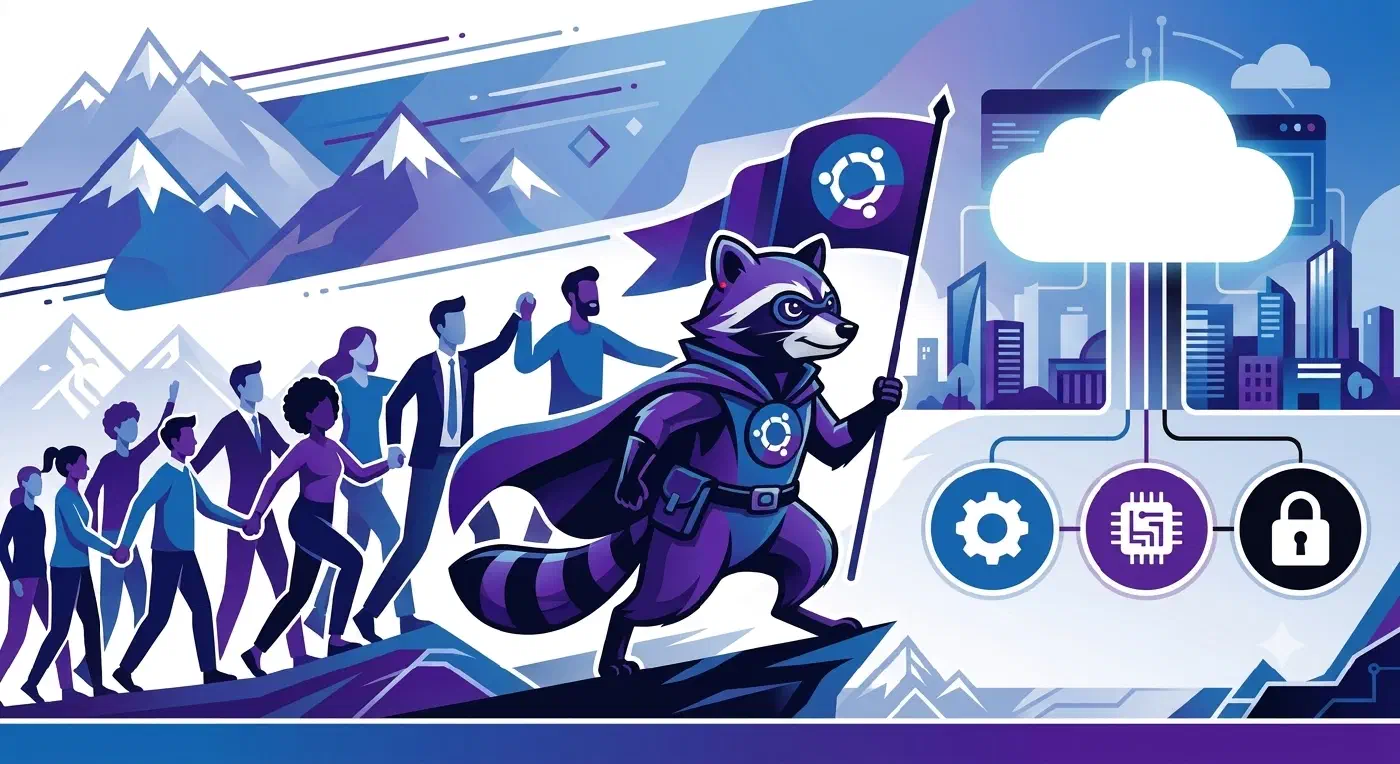
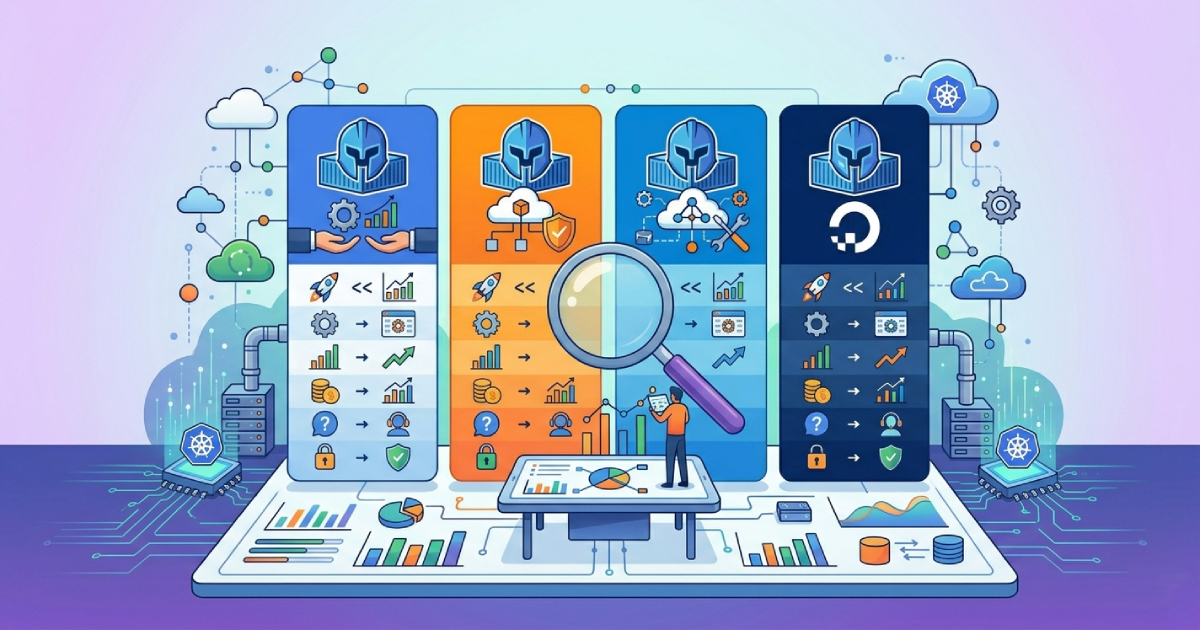
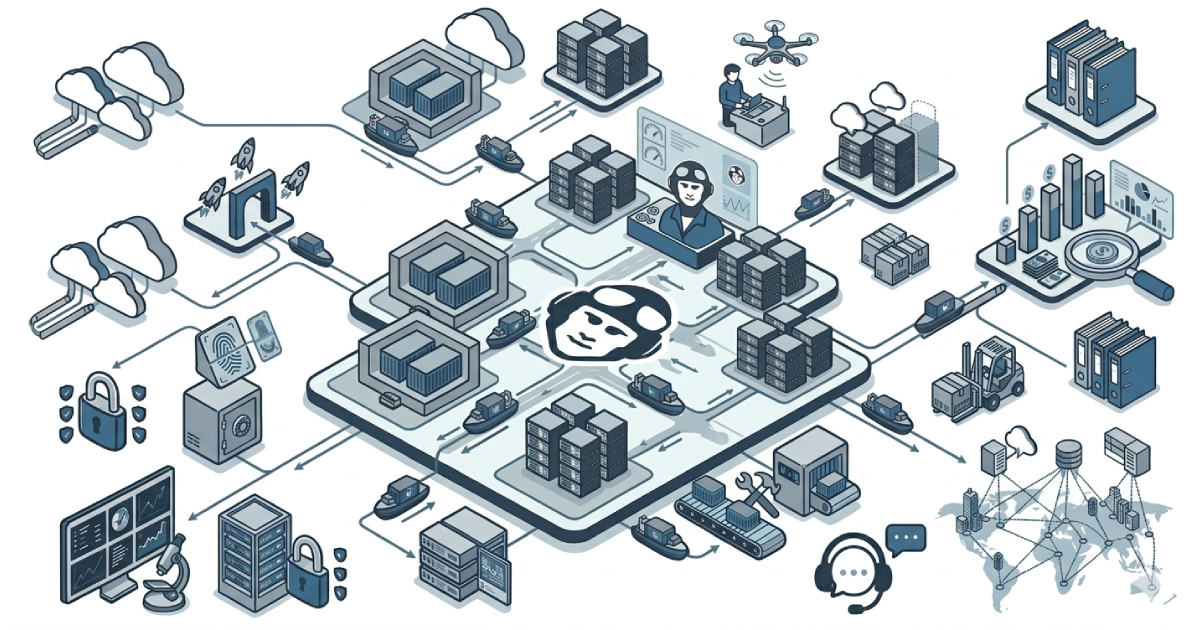
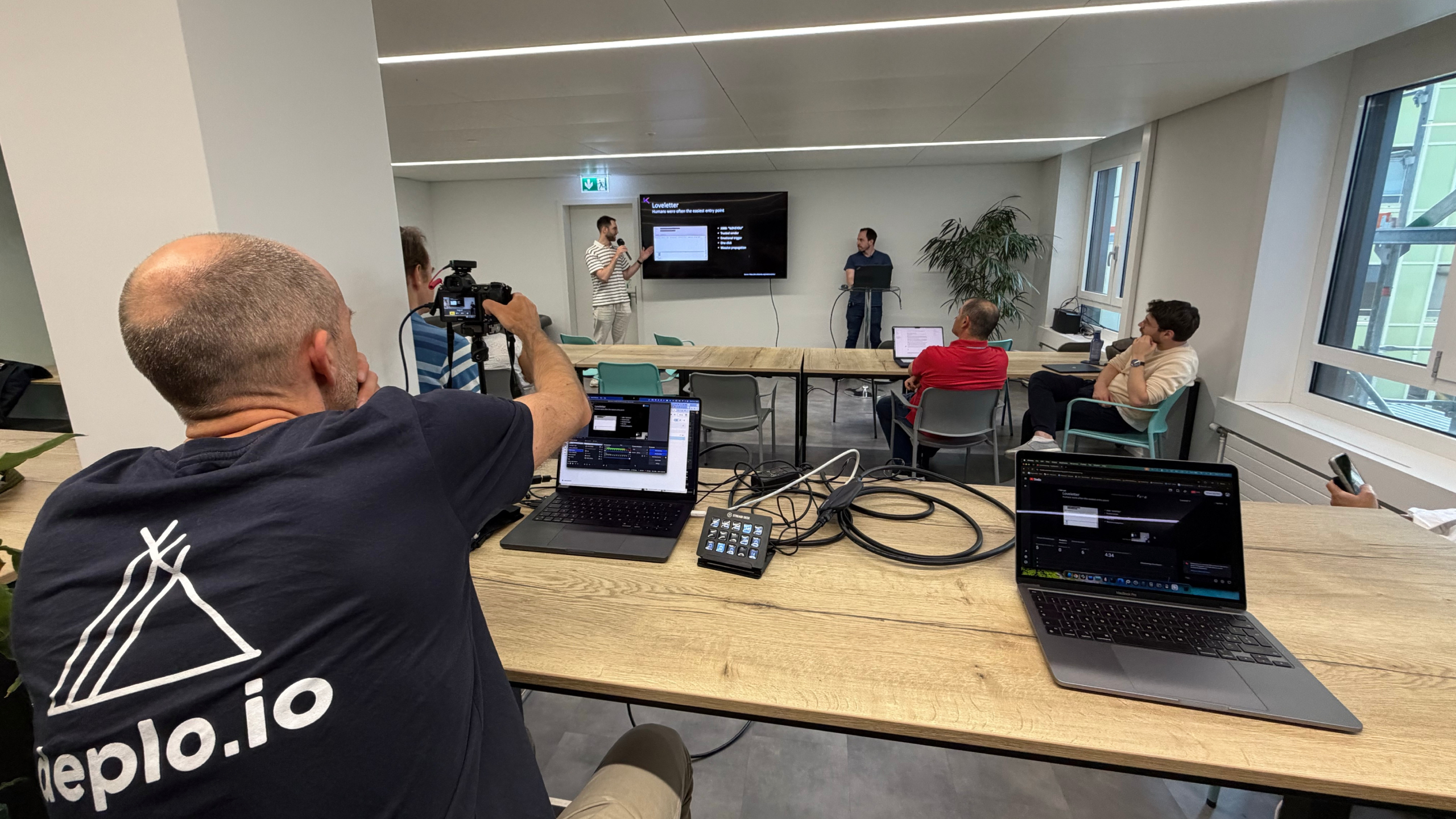



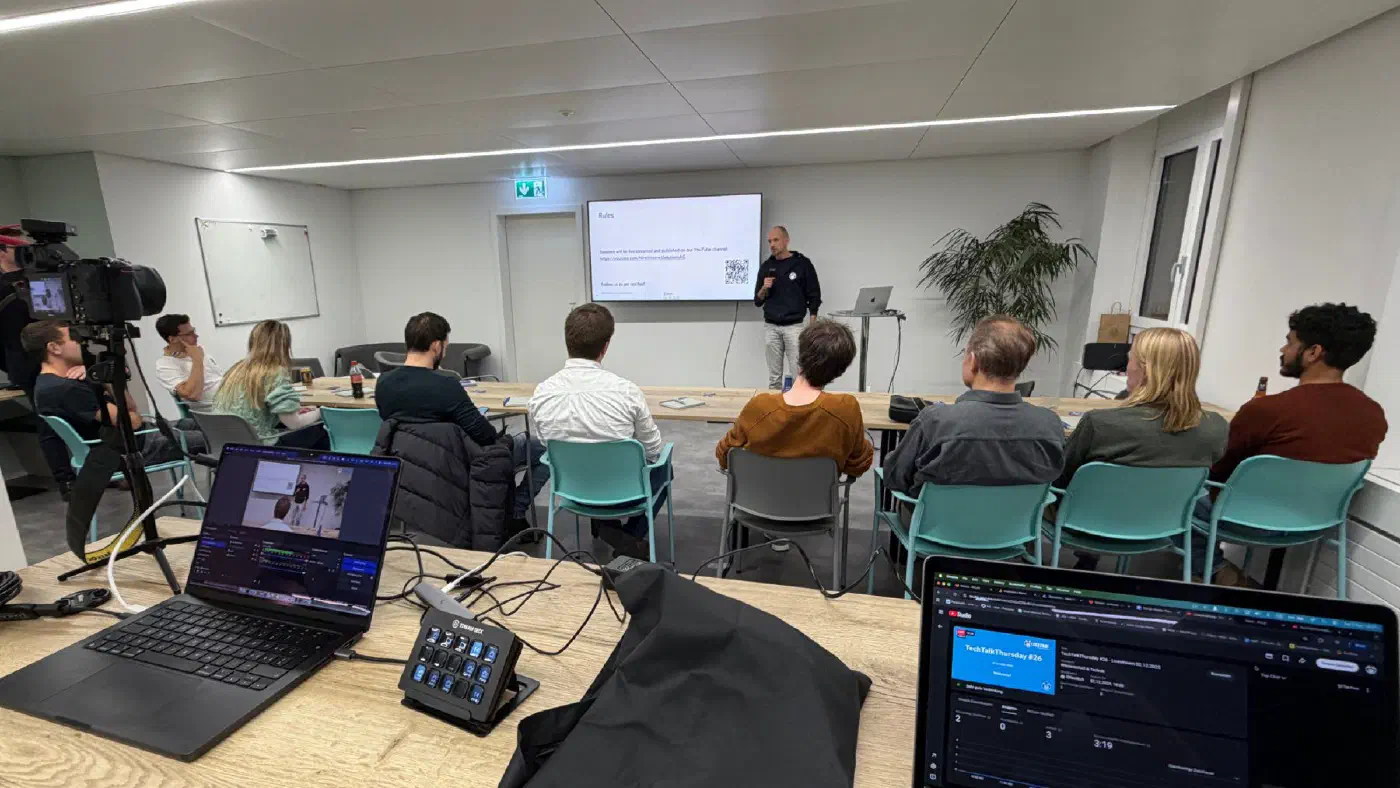

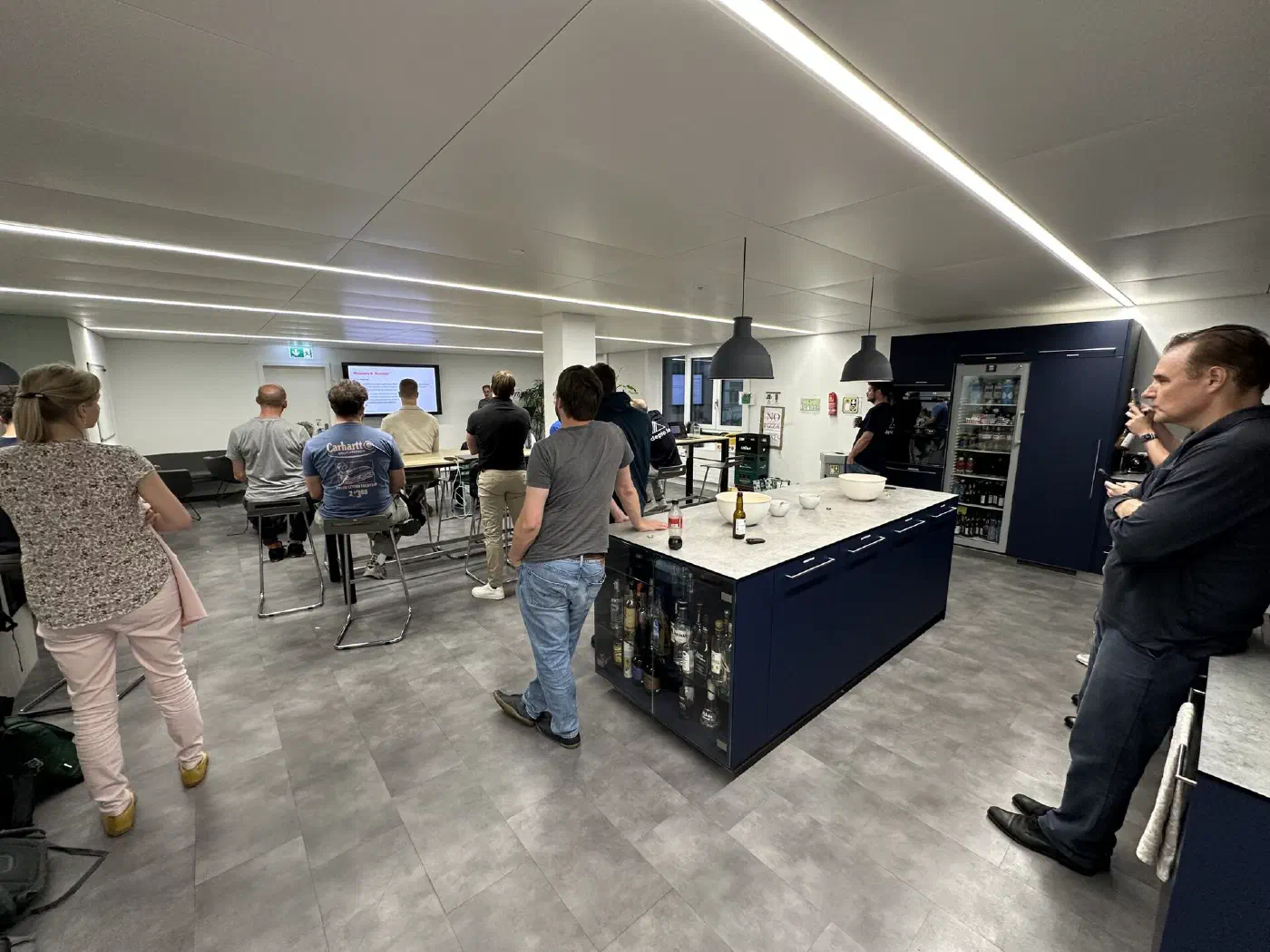
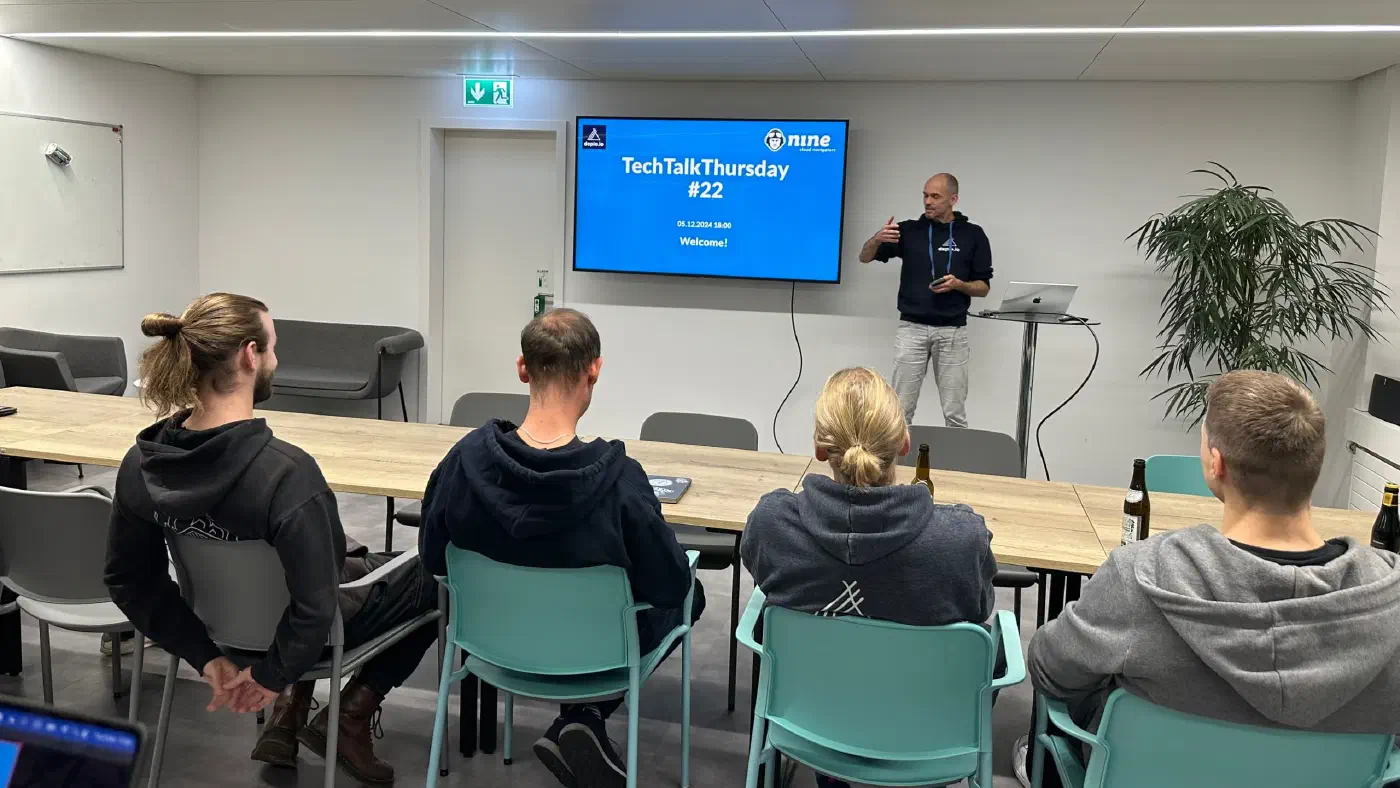
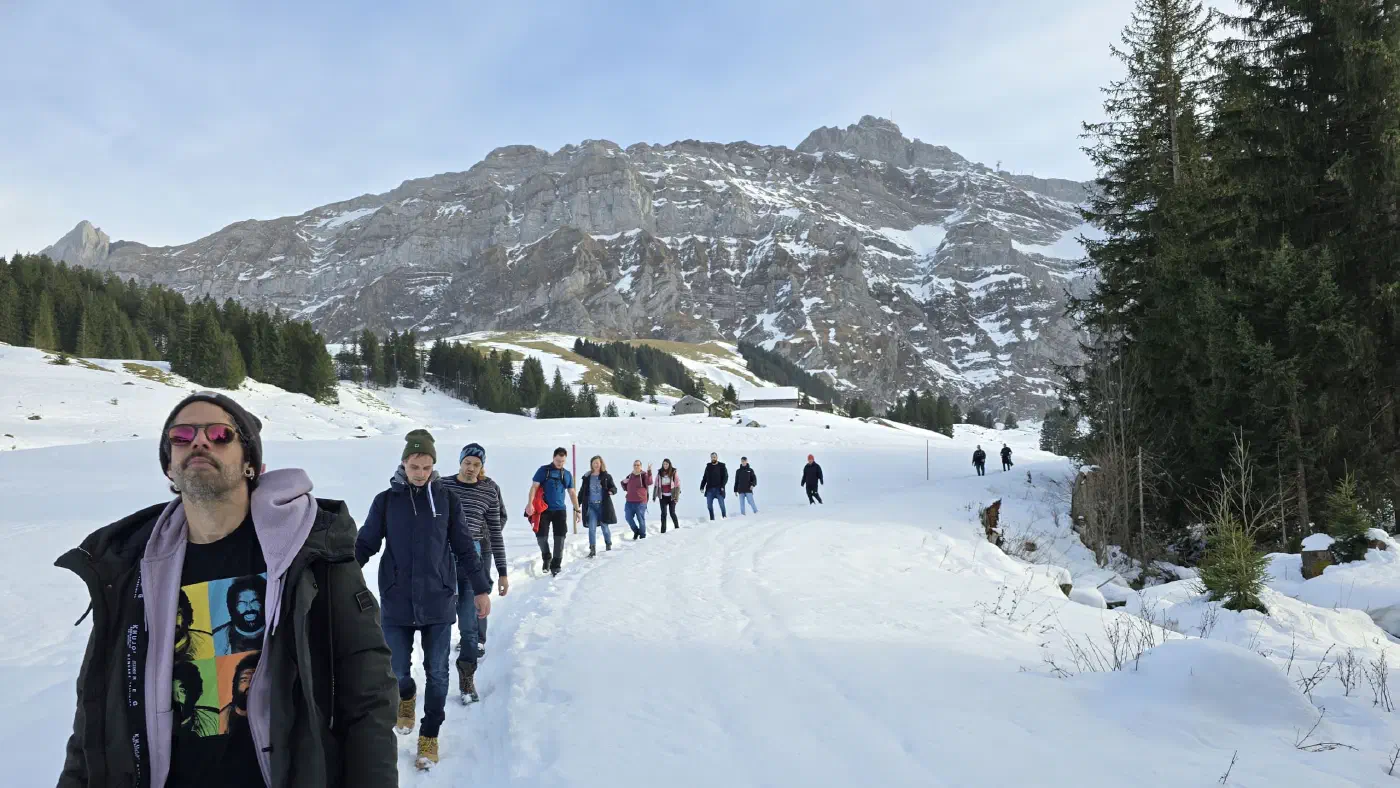
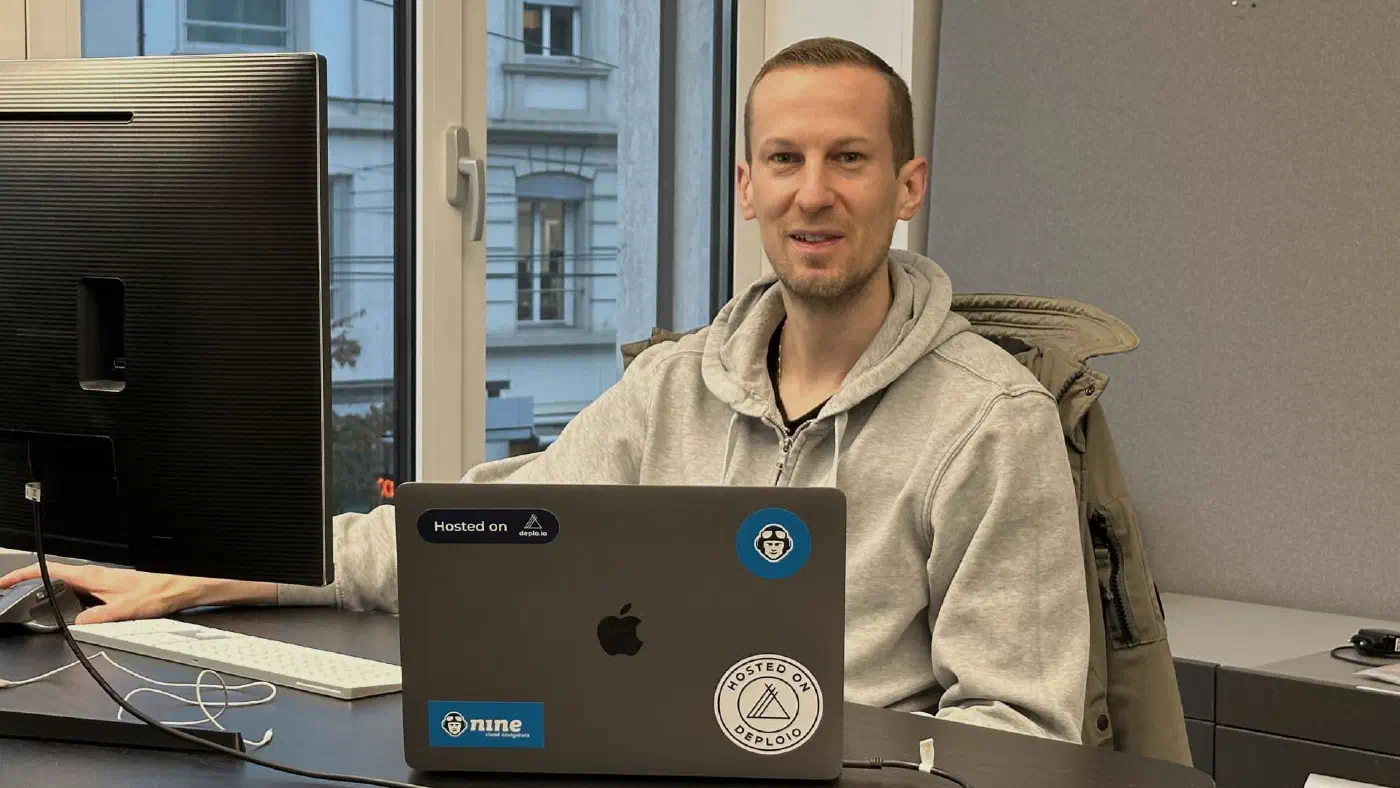

























How does a Linux server that a student badly wanted on the internet turn into a Swiss cloud provider running business-critical applications? Thomas Hug, our founder and CEO, known to everyone as Tom, talked about this with Urs Prantl on his strategy podcast «Prantls 5A». The hour-long conversation, held in Swiss German, covers our early days, competition from the hyperscalers, AI and why employees can become shareholders. Here is a summary of what we found most interesting.
A Server That Needed Customers
There was no business plan at the start. Tom was experimenting with Linux at home and wanted his own server on the internet rather than in the basement. His student budget didn’t stretch that far, so he found a few customers who paid him 20 francs a month to host their domain. As Tom puts it himself, the customers were a means to an end at first. The first server went online on 12 January 1999.
The business grew alongside his electrical engineering degree at ETH Zurich, and in 2002 Tom and Philipp Koch incorporated it as a limited company. After graduating in 2005, he was advised to gain experience at a consultancy first. Tom decided against it: a company that already has customers can’t be kept on the back burner for a few years.
The name comes without a grand story. In 1999, Tom needed a domain name that was still available, and these four letters were his favourite on the list. The navigator in our logo followed in 2017, designed by an agency that heard «cloud» and thought of clouds and aeroplanes.
Why We Still Focus on Linux
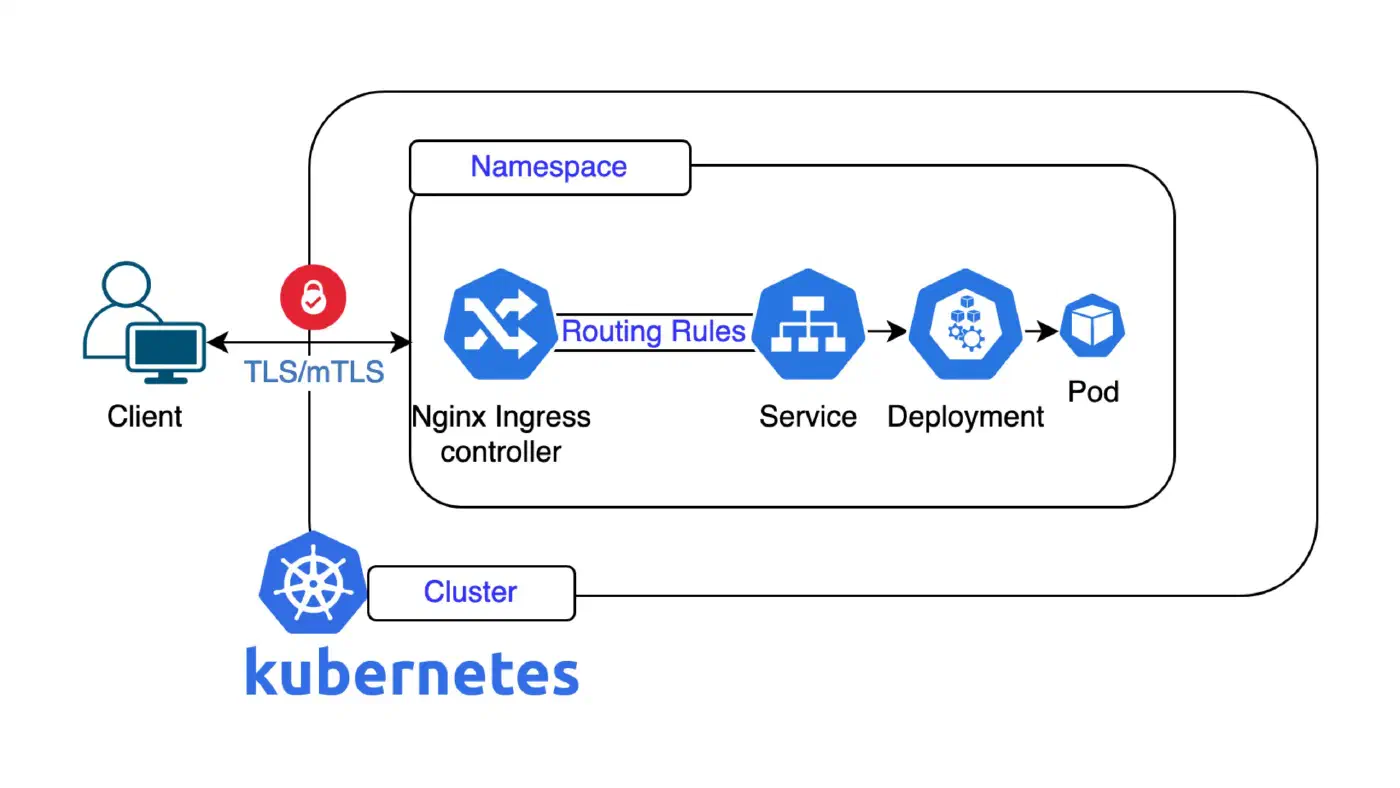
Our first employee shared Tom’s enthusiasm for Linux, and the culture grew stronger with every engineer who joined. The focus was never a deliberate strategy. Tom simply didn’t find Windows exciting and turned down those requests. Looking back, this turned out to be an advantage: we concentrate on running web platforms on Linux, increasingly on Kubernetes today, and have built deep expertise in that area.
Tom moved away from basic websites early on. Complex problems interested him more, and he wanted the people on his team to have challenging work instead of only handling support tickets.
When the Market Turned
On the technology side, Tom says, less has changed than you might think: almost everything still runs on Linux. What has changed is the competition. Around 2018 and 2019, the hyperscalers moved into Switzerland and many companies migrated to the big clouds. Since the lockdown and recent developments in US politics, the tide has turned again. Digital sovereignty is on the agenda, and companies are specifically looking for Swiss providers.
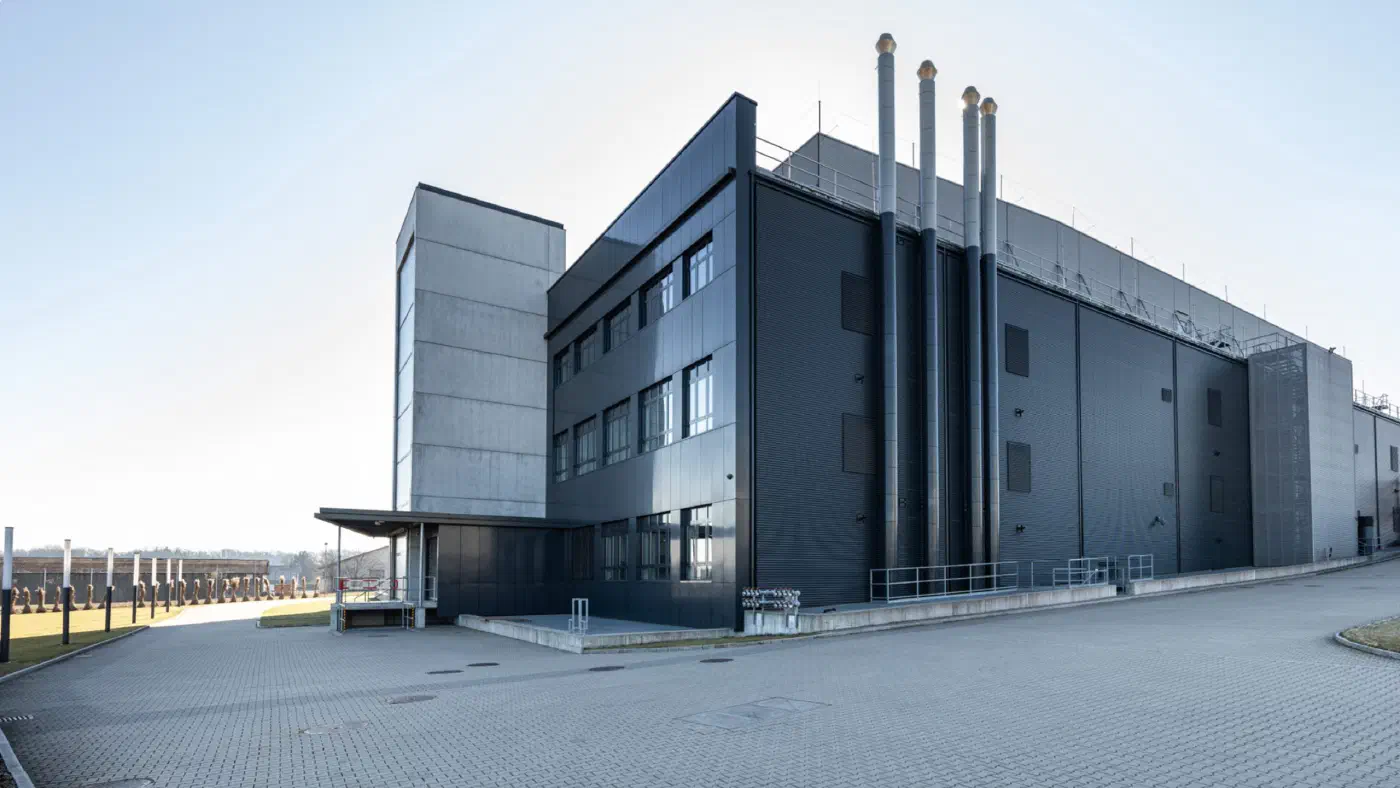
What sets us apart from other Swiss providers? According to Tom, three things above all: our own servers and network, a focus on Linux and web platforms rather than IT in all its breadth, and a company shaped by engineering. Or, as Tom sums it up on the podcast: do more, talk less.
Customers for Whom Downtime Hurts
The customers we most like working with are those for whom an outage costs money or trust straight away, such as the large online shop Apfelkiste or the school platform Pupil. They want to focus on their software, not on operations. Ideally, they push their code and the rest is automated.
Tom openly admits that we communicate in a technical way. Most of the time, we talk to software developers on the customer side as equals. For management, we explain at a higher level what we do and what it means for their business, while the engineers sort out the technical details among themselves.
What We Build Ourselves
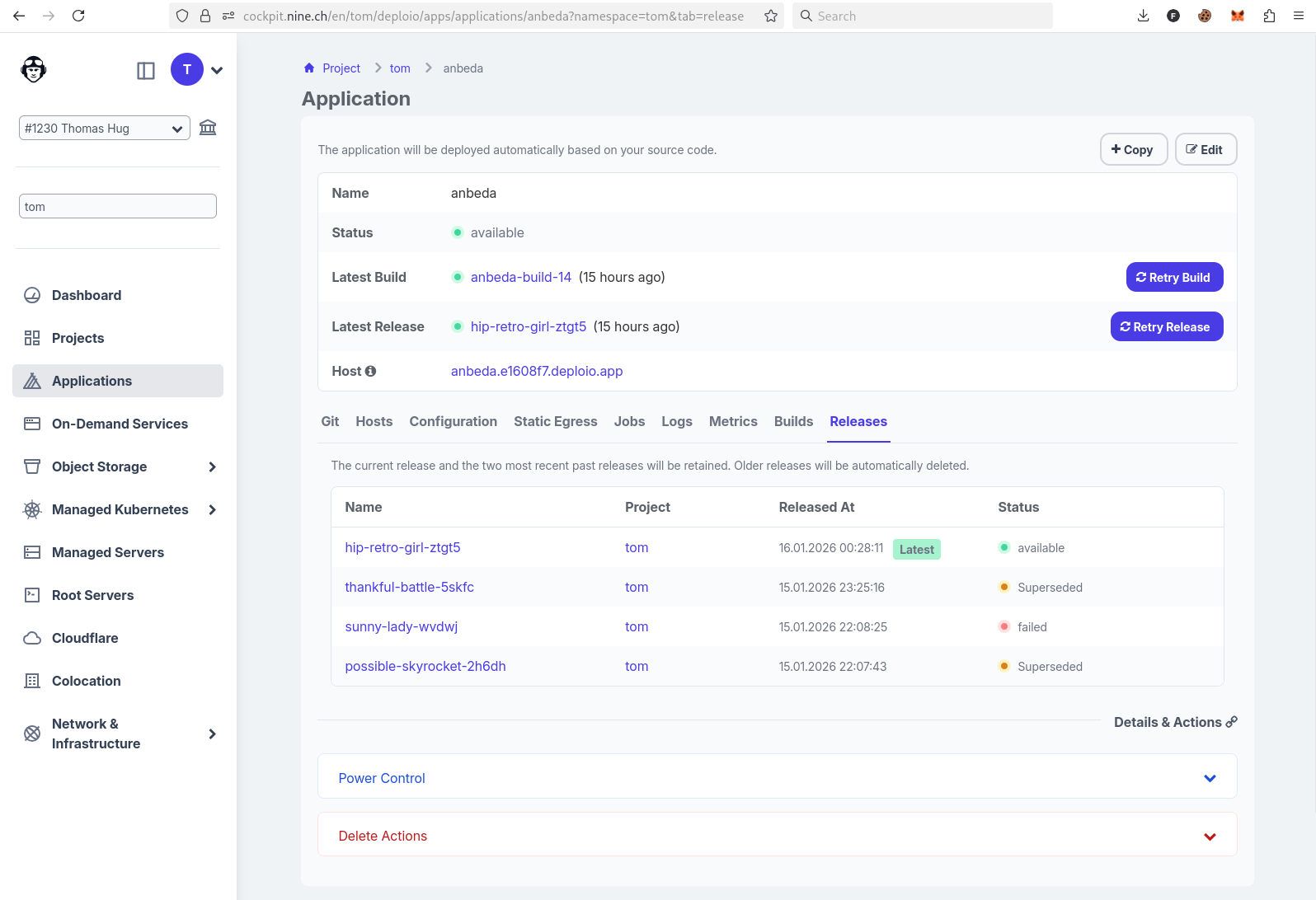
We don’t write software for customers, but we build a lot for our own use. The most important example is the Cockpit, where customers provision their services themselves instead of ordering them by email. Billing is part of this too, and Tom now counts it as core business. After bad experiences with a heavily customised ERP system, we now run Odoo deliberately in its standard form. Everything specific to us lives in a separate billing tool alongside it.
AI: Faster Development Means More to Run
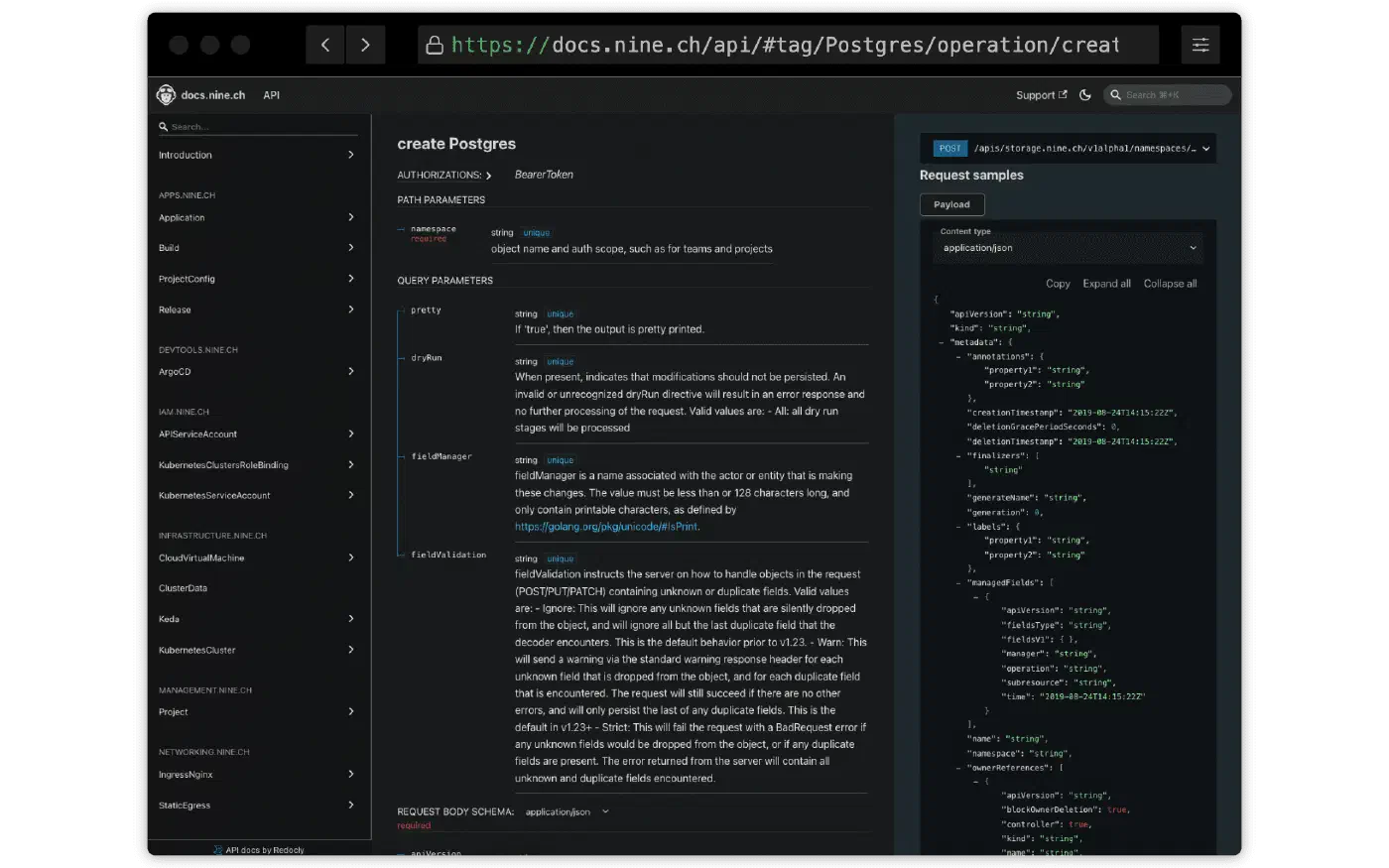
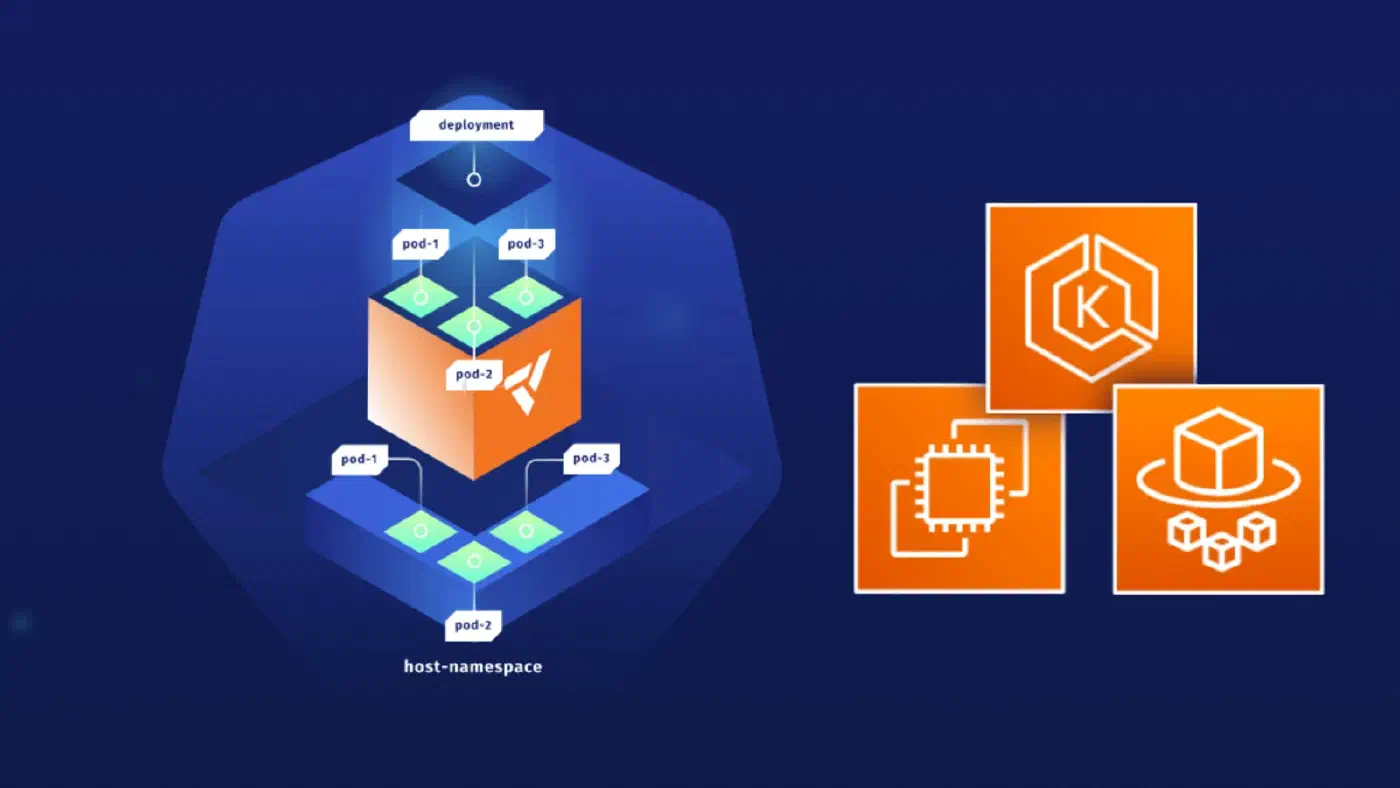
Tom sees AI as an opportunity for us. Our customers are developing more applications, faster, and each of them has to run somewhere. Deploio is our Swiss answer to that: AI tools can operate Deploio directly through our command line interface nctl, deploying apps or creating databases. Internally, AI helps us build our own software faster.
Security as an Ongoing Task
Data security is becoming more important to our customers, partly because of the current geopolitical situation. We have been ISO 27001 certified since 2013. Every year, audits review our processes again, from data integrity to system availability.
When it comes to AI and security, Tom remains cautious. He observes that more vulnerabilities are being found and fixed faster, and because we rely heavily on open source, patches usually arrive quickly. Many of our updates are automated, with tools creating merge requests for them directly. Tom is open about one concern that remains: zero-day vulnerabilities.
Follow the Sun from Canada
For more than ten years, two engineers have been working for us from Canada. The time difference allows them to fix incidents during the Swiss night without burdening the team here. For customers who don’t want anyone outside Switzerland to have access to their data, we offer an option that excludes the Canadian team. In return, they give up certain availability guarantees. If you need this, let us know.
Employees as Shareholders
Tom wants employees who think and decide like entrepreneurs. In his view, that takes two things: the same information, in other words transparency, and a real stake in the company. When Philipp sold his shares in 2020, Tom opened up the shareholding to all employees at the same price Philipp had sold at. The shares aren’t given away, they have to be bought. That requires more commitment, and Tom is glad to see that signal every time.
Today, almost a third of our employees are shareholders. These aren’t phantom stocks but real shares, with voting rights at the general meeting and dividends. Anyone who leaves the company has to sell their shares back, as set out in the contract. Tom continues to hold the majority. You can find out what it’s like to work here on our careers page.
Where We Are Heading by 2035
Tom doesn’t have a vision built on big numbers. He wants us to stay healthy, for many employees to remain shareholders and for us to keep our expertise. Applications, he says, won’t run by themselves in ten or twenty years either. Wherever there is complexity, people need help and explanations. For him, optimising means more automation, higher availability and better security. Squeezing out every last franc is not part of it.
And what would he do differently if he could start again today? Talk to people more and earlier, says Tom. That matters much more to him now than it did back then.
You can listen to the full conversation in Swiss German on the «Prantls 5A» podcast page, on all major podcast platforms, or watch it as a video on YouTube. And if you would like to know how we would run your application, get in touch.
